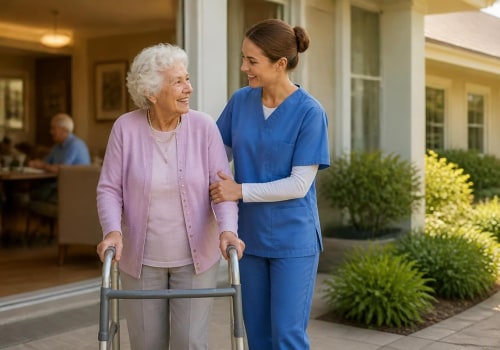
When it comes to the safety and well-being of our loved ones in senior living communities, one of the most pressing questions that families often have is, "Are there emergency protocols in place?""Are there emergency protocols in place?" At San Diego Senior Living, we understand that ensuring a secure environment is a top priority for families considering assisted living, independent living, or memory care options. Emergency protocols are essential components of a comprehensive safety plan, designed to address various situations, from medical emergencies to natural disasters. In this article, we will explore the importance of emergency protocols within senior living communities, specifically focusing on how these measures help protect residents and provide peace of mind for families. Understanding what protocols are in place can empower families to make informed decisions about their loved ones' care, ensuring that they feel confident in the community's ability to respond effectively during critical situations. Join us as we delve into the various aspects of emergency preparedness in senior living, highlighting the steps that communities take to safeguard their residents. Understanding emergency protocols in senior living communities is vital for families considering options in , we understand that ensuring a secure environment is a top priority for families considering assisted living, independent living, or memory care options. Emergency protocols are essential components of a comprehensive safety plan, designed to address various situations, from medical emergencies to natural disasters. In this article, we will explore the importance of emergency protocols within senior living communities, specifically focusing on how these measures help protect residents and provide peace of mind for families. Understanding what protocols are in place can empower families to make informed decisions about their loved ones' care, ensuring that they feel confident in the community's ability to respond effectively during critical situations. Join us as we delve into the various aspects of emergency preparedness in senior living, highlighting the steps that communities take to safeguard their residents. Understanding emergency protocols in senior living communities is vital for families considering options in San Diego Senior Living.
The safety and well-being of residents are paramount, especially for those who may have unique health needs or require assistance with daily activities. Emergency protocols provide peace of mind, ensuring that both residents and their families know that there are effective measures in place to address potential crises. With this understanding, prospective residents can make informed choices about where to live. Senior living arrangements typically fall into three main categories: assisted living, independent living, and memory care. Each type of facility has its own set of emergency protocols tailored to the needs of its residents.
For instance, in assisted living communities, staff are trained to respond quickly to medical emergencies such as falls, heart attacks, or strokes. These facilities often have on-site medical personnel available 24/7 and maintain close relationships with local hospitals to facilitate rapid medical intervention. Independent living communities, on the other hand, focus on providing a safe and secure environment for seniors who are largely self-sufficient but may still require some level of assistance. Emergency protocols in these settings often include regular safety drills and clear evacuation plans. Staff members are trained to assist residents during emergencies, ensuring everyone knows the procedures for safe exit in the event of a fire or natural disaster. In memory care facilities, which cater specifically to individuals with Alzheimer’s or other forms of dementia, emergency protocols must address not only medical emergencies but also the unique behaviors and needs of residents.
Staff receive specialized training to manage situations where a resident may wander or become agitated during a crisis. Facilities often have secure environments designed to prevent residents from exiting unnoticed while still allowing for safe evacuation if necessary. Common emergencies that senior living communities prepare for include medical emergencies, natural disasters like earthquakes or floods, and fires. Each of these scenarios requires distinct protocols. For example, in the event of a fire, facilities typically have smoke detectors installed throughout the building and conduct regular fire drills to ensure that both staff and residents are familiar with escape routes.
Additionally, many communities have advanced fire suppression systems that help contain fires until emergency services arrive. Training is a critical component of effective emergency protocols. Staff members undergo rigorous training that includes first aid, CPR certification, and specific emergency response procedures relevant to their facility type. Regular safety drills are conducted to keep everyone prepared and familiar with the steps they need to take during an emergency. Communication procedures with families also play a vital role in ensuring peace of mind.
Many communities provide updates through various channels such as phone calls, emails, or community portals to keep families informed during emergencies. When evaluating a senior living community's preparedness during tours, families should inquire about the specifics of their emergency protocols. Questions might include how often drills are conducted, how staff are trained, and what systems are in place for communicating with families during an emergency. Noteworthy features that can make certain communities stand out include dedicated emergency response teams, partnerships with local first responders, and comprehensive crisis management plans that are regularly updated based on best practices. Concerns regarding safety are common among families considering senior living options. Knowing that robust emergency protocols are in place can alleviate many of these fears.
Families should feel empowered to ask detailed questions about how a community prepares for various emergencies. The more transparent a community is about its safety measures and procedures, the more confidence families will have in their decision. In conclusion, understanding the different types of senior living arrangements and their associated emergency protocols is crucial for families exploring options in San Diego Senior Living. By being informed about how facilities prepare for emergencies and the training provided to staff, families can ensure that their loved ones will be cared for in any situation that may arise.
Communicating with Families
In San Diego Senior Living communities, effective communication with families regarding emergency protocols is paramount. These communities recognize that families want to be informed about the safety measures in place to protect their loved ones.To ensure transparency, many facilities provide detailed information about their emergency procedures during the initial tours and discussions with prospective residents. Once a resident moves in, communities typically maintain open lines of communication through regular updates via newsletters, meetings, and direct contact. In the event of an emergency, facilities prioritize swift communication with families, often using phone calls, texts, or emails to provide timely information about the situation and the safety of their loved ones. This proactive approach not only reassures families but also fosters trust between them and the community staff.
By keeping families updated and involved, San Diego Senior Living communities aim to alleviate concerns during emergencies and ensure that families feel connected and informed at all times.
Types of Senior Living Arrangements
Understanding the different types of senior living arrangements is essential for families considering options in San Diego Senior Living. Each type of community is designed to meet varying levels of care and support, particularly in emergency situations. This knowledge can help families make informed decisions that prioritize safety and well-being.Assisted Living
communities offer a blend of independence and support for seniors who may need help with daily activities such as bathing, dressing, and medication management. In emergency situations, these communities typically have trained staff available 24/7 to respond quickly and effectively.They also implement safety measures such as emergency call systems in each resident's unit and regular safety drills to ensure all residents are familiar with procedures.
Independent Living
, on the other hand, caters to seniors who are largely self-sufficient but may benefit from social engagement and community resources. While residents maintain their independence, independent living communities often provide access to emergency services and staff trained to assist in case of a medical crisis. These communities may also have protocols in place for quick evacuation during emergencies like fires or natural disasters. Finally, Memory Care facilities specialize in providing care for individuals with Alzheimer’s disease or other types of dementia. Safety is paramount in these settings, as residents may be at a higher risk for wandering or confusion.Memory care communities typically include secure environments and staff trained specifically to handle emergencies related to cognitive impairments. These facilities often conduct regular training sessions on emergency response tailored to the unique needs of their residents. Overall, understanding these differences can empower families to choose the right type of senior living arrangement that not only meets their loved one's daily needs but also ensures comprehensive emergency protocols are in place for their safety.
Evaluating Emergency Preparedness
When considering San Diego Senior Living options, it's essential to evaluate the emergency preparedness of each community. Proper emergency protocols can make a significant difference in ensuring the safety and well-being of residents. Families should look for specific elements when touring these communities to understand how they handle emergencies. First, inquire about the types of emergencies the community is prepared for.This includes natural disasters like earthquakes or fires, medical emergencies, and other unexpected situations. A robust emergency plan should cover various scenarios and outline clear procedures for each. Next, ask about staff training related to emergency protocols. Staff members should be well-trained in emergency response, including first aid, evacuation procedures, and communication strategies during a crisis. Understanding the frequency and type of training they receive can provide insight into their preparedness. Another important aspect to consider is the availability of emergency supplies.
Check if the community has essential supplies such as first aid kits, food and water reserves, and emergency lighting. These resources can be critical in case of an unexpected event. Additionally, assess how the community communicates with residents and families during emergencies. Clear communication channels are vital to keeping everyone informed and safe. Inquire about their communication methods, whether through alerts, announcements, or personal notifications. Lastly, pay attention to the community's evacuation plans.
It’s important that these plans are well-documented and regularly practiced. Ask about how often they conduct evacuation drills and if residents are involved in these exercises. By evaluating these aspects of emergency preparedness in San Diego Senior Living communities, families can gain peace of mind knowing that their loved ones will be safe and secure in times of crisis.
Common Emergency Protocols
In San Diego Senior Living communities, the safety and well-being of residents are paramount. To ensure this, standard emergency protocols are established to prepare for a variety of potential crises. These protocols not only serve to protect residents but also provide peace of mind to families considering options for their loved ones. One of the most common emergency protocols is the fire evacuation plan.All senior living communities are required to have clear and effective procedures in place for evacuating residents in the event of a fire. This includes regular fire drills, clearly marked exits, and staff training to assist those with mobility challenges. Another critical protocol is the medical emergency response plan. In cases where a resident experiences a health crisis, such as a heart attack or stroke, staff are trained to respond swiftly and effectively. This often involves immediate access to medical equipment, such as defibrillators, and established procedures for contacting emergency services. In addition to these specific responses, many senior living communities implement weather-related emergency protocols.
For instance, during severe storms or natural disasters, communities may have plans for sheltering in place or evacuation procedures to ensure that all residents remain safe. These plans include communication strategies to keep families informed about their loved ones' safety. Furthermore, security measures are also an essential part of emergency protocols in senior living. Communities often employ security personnel and utilize surveillance systems to monitor entrances and exits, ensuring that residents are protected from external threats. Finally, ongoing staff training is vital to maintain the effectiveness of these emergency protocols. Regular workshops and drills help ensure that all team members are familiar with the procedures and can execute them calmly and efficiently when needed. For families exploring options in San Diego Senior Living, understanding these emergency protocols is crucial.
It reassures them that their loved ones will be cared for in any situation, making the decision-making process easier and more informed. In conclusion, understanding emergency protocols in senior living communities is essential for families considering their options in San Diego Senior Living. These protocols are designed to ensure the safety and well-being of residents during unforeseen events, providing peace of mind for both residents and their families. By being informed about the types of senior living arrangements and the common emergency procedures in place, families can make more confident decisions. Moreover, evaluating emergency preparedness and maintaining open communication with facilities can significantly enhance the overall safety experience for residents. As you explore your options in San Diego Senior Living, prioritize communities that have robust emergency protocols in place, as they play a vital role in safeguarding the health and security of loved ones.